For operations that have outgrown disconnected tools
Your team spends its week rebuilding the same picture of the business.
Reports rebuilt by hand, rules that live in a few people’s heads, AI experiments off to the side. Here’s how Prodmake builds one private system around one operating process, so the team works from one operating record.
 Kuan, founder of Prodmake
 Before a decision can be made, someone pulls numbers from three systems, reconciles them in a spreadsheet and writes up what changed. By the time the report lands, it’s already a little out of date.
Meanwhile the rules, the exceptions and the real current state are known by a handful of people. When one of them is away, the work slows down.
Why it keeps happening
Each system holds a piece: records here, approvals there, evidence in shared drives. The process works because people keep rebuilding the context between them. New AI tools can draft and answer, but they sit outside the operating record, with no governed review, approval or outcome.
One operating area, not a company-wide transformation
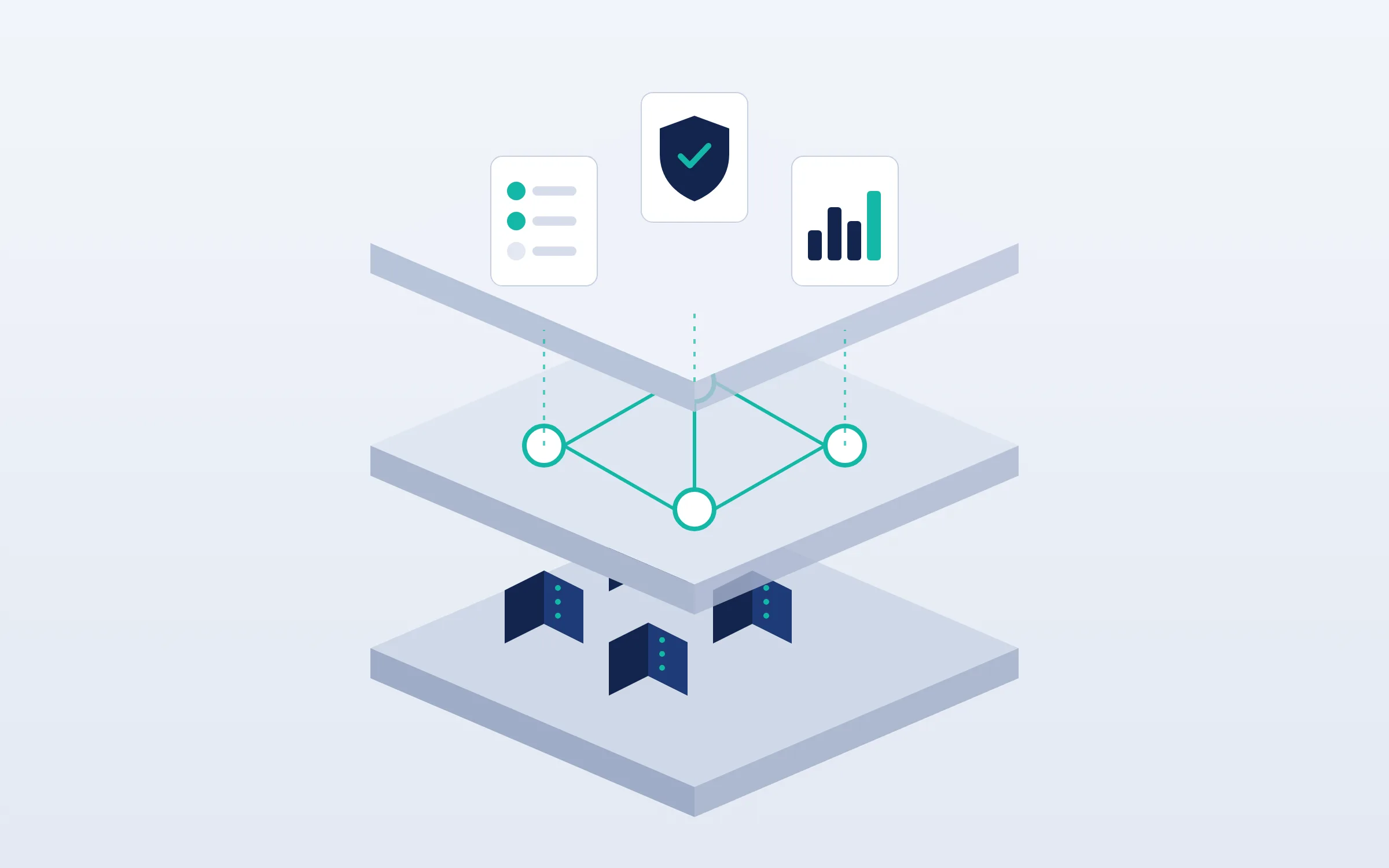
We start with one process that repeats and carries real decisions, and connect it from source records and evidence through human review, approved action and monitoring:
- We write down how the work really runs: the records, roles, rules, exceptions, decisions and current sources.
- We agree one complete path: evidence collection, preparation, human review, approved action and monitoring, with clear limits.
- We build and deploy the private system: the workflow, access, admin, integrations and operating visibility.
The delivery plan is set after we review the workflow, the sources, the integrations and your security constraints. The pilot ends in a working operating path, not a strategy document.
Two quick questions about how the work runs today. A person reads every brief.
Built for consequential work
At AuditBoard I worked on application, service and infrastructure changes inside an enterprise audit, compliance and risk platform, where a wrong answer has consequences. For Kazakhstan’s national e-government services I built the shared interface layer behind citizen accounts and data access, around sensitive records that have to behave the same way for years.
And as Scoutbase’s fractional CTO, I carried their safety app’s workflows, backend, sync, admin and operation as one responsibility for 4,000+ maritime workers.
“Kuan’s expertise paved the way for our growth and enabled us to acquire the trust of external investors and, as a consequence of that, additional funding.”
Is this right for you?
It works best when:
- One important operating process repeats often enough to describe.
- You know the users, the reviewers and who has decision authority.
- The current records and systems can be examined.
- A sponsor, the process owner and the data or security owners can give it 2 to 4 hours a week between them.
It isn’t the right fit if you want an off-the-shelf SaaS account, if the process or decision authority isn’t defined, or if success depends on AI making consequential decisions unsupervised.
What happens next
Show us how the work runs: the process, the systems, the people involved and the decisions that should follow one controlled path. It starts with two quick questions, and then you can book a fit call or keep writing.