For investment teams with a defined process
Your pipeline shows where a deal is. It doesn’t remember why.
Evidence in one tool, questions in another, the memo rebuilt from scratch and the reasoning lost once the decision is made. Here’s how Prodmake builds a private system for one investment workflow, from intake to a human decision and what happens after.
 Kuan, founder of Prodmake
 A company reaches diligence. The deck is in one folder, the call notes in another, the open questions in someone’s inbox. Before the partner meeting, an analyst rebuilds the context again, the same way as last time.
Then the firm decides: invest, pass or watch. The decision gets recorded. The reasoning mostly doesn’t, so later it’s hard to compare what happened with what you expected.
Why a CRM doesn’t solve it
A pipeline tool tracks stages. It wasn’t built to hold the thesis, the evidence standard, the open questions and the reasoning behind each decision. So the real work keeps happening in documents and conversations around it.
One thesis, one complete decision path
We start with one opportunity workflow and connect it end to end, with people making every decision:
- We write down the decision policy: thesis, sources, criteria, exclusions, evidence requirements, reviewers and decision points.
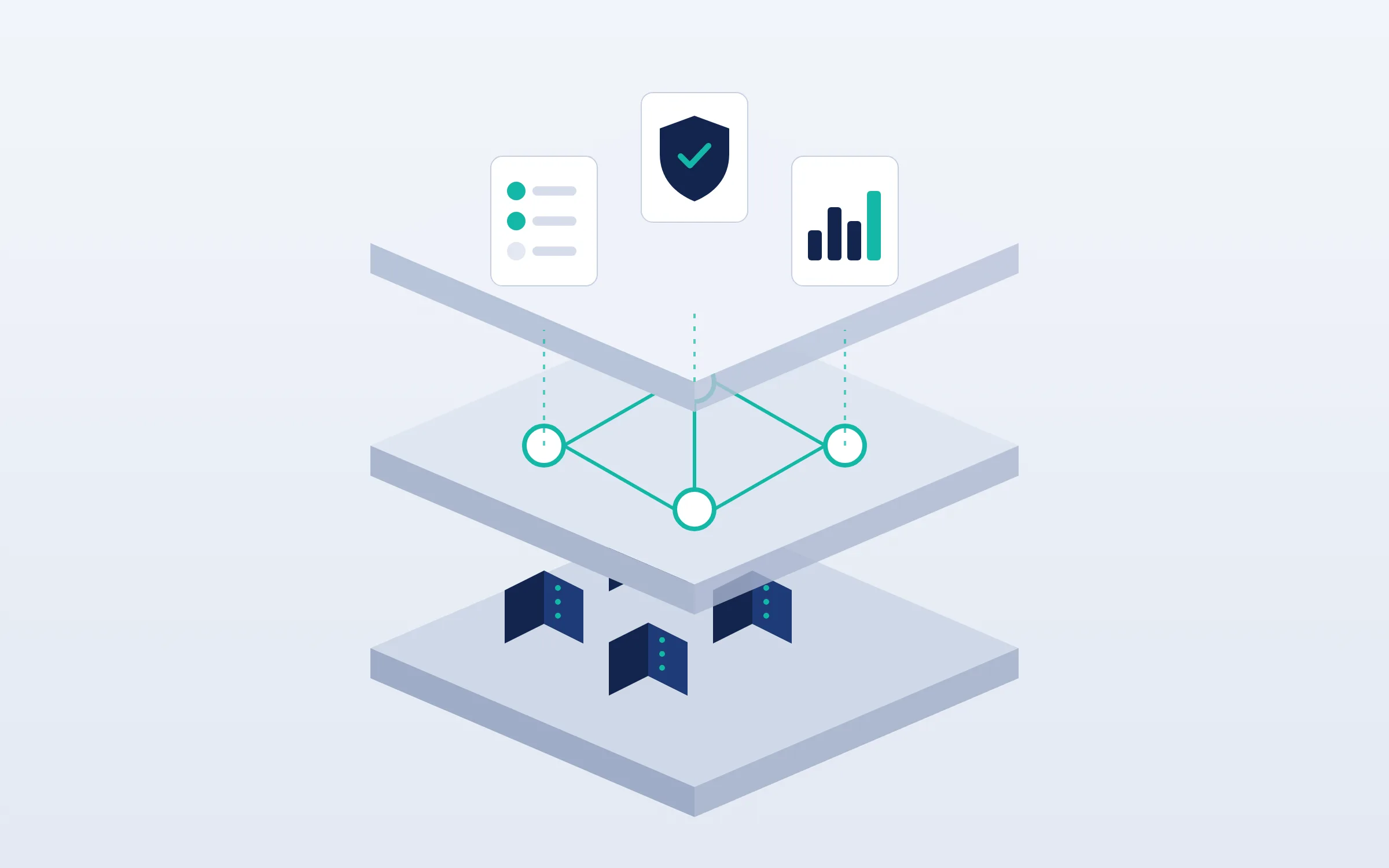
- We agree one complete path: intake, evidence review, diligence, the investment packet, the decision and the first monitoring step.
- We build and deploy the private system: the workflow, access, admin and visibility, with invest, pass or watch staying a human call.
The delivery plan is set after we review your workflow, data, integrations and security constraints. The pilot ends in a working decision path, not a demo.
Two quick questions about your process to start. A person reads every brief.
Built for decisions that matter
At AuditBoard I worked on application, service and infrastructure changes in an enterprise audit, compliance and risk platform, where workflows carry real consequences. For Kazakhstan’s national e-government services I built the shared interface layer behind citizen accounts and access to sensitive records. Neither was an investment system. Both demanded the same care with evidence and records.
As Scoutbase’s fractional CTO, I carried the product, backend, sync and operation of their safety app as one responsibility.
“Kuan’s expertise paved the way for our growth and enabled us to acquire the trust of external investors and, as a consequence of that, additional funding.”
Is this right for you?
It works best when:
- Your firm has an explicit thesis or screening policy.
- One opportunity path repeats often enough to describe.
- Partners, reviewers and final decision authority are clear.
- Your sources, documents and systems can be examined, and a sponsor, the process owner and the data or security owners can give it 2 to 4 hours a week between them.
It isn’t the right fit if you need a generic CRM, if the thesis or decision authority isn’t defined, if you want automatic investment decisions, or if the first step has to replace your CRM, fund accounting and LP reporting at once.
What happens next
Show us the investment workflow: the thesis, how review works today and the systems you use. It starts with two quick questions, and then you can book a fit call or keep writing.