For operators with a proven business process
Your workflow already exists. It just lives in five places.
A spreadsheet holds the status, chat holds the decisions, email holds the requests. Here’s how Prodmake turns one workflow like that into a single app your team can run, live in 15 to 30 days once the scope is agreed.
 Kuan, founder of Prodmake
 Ask anyone on the team where a job stands and watch what happens. They open the spreadsheet. Then the chat. Then their inbox, looking for the email with the attachment. Then they ask the one person who remembers.
Nobody designed it that way. The business grew, the work kept repeating, and each tool picked up one piece of it. The workflow works, mostly, because people hold it together.
What it’s really costing you
Every time someone rebuilds the status from messages, they stop their real work to do it. Every time the same data is typed into a second place, it gets a chance to drift. And when an approval or an odd case is settled in a chat thread, it disappears from the process it changed.
You usually find out after the handoff: when a customer asks, or when a manager needs a number nobody can stand behind.
Why another tool doesn’t fix it
The usual answer is one more general-purpose tool. It can help for a while. But it doesn’t know your process: your roles, your steps, your exceptions. So the work drifts back to the spreadsheet.
What fixes it is software built around the workflow itself. One place where the state of every job lives, where each person sees their next step, and where approvals and exceptions happen inside the process instead of next to it.
How we build it, one workflow at a time
We don’t start with a company-wide transformation. We start with the one workflow that repeats, costs you the most, and can be fixed on its own. Then:
- We write down what really happens: what starts it, every state it passes through, the decisions, the exceptions and the outcome. Not the ideal version.
- We decide what belongs in the app, which of your current tools stay the source of truth, and which connections are worth building now.
- We build and launch the app: the screens for each role, the rules and automation, the data, the admin tools to fix routine mistakes, and the deployment.
Once the scope is agreed and work starts, the first workflow is live in 15 to 30 days. Small, contained workflows can fit in 15. More roles, integrations or data migration push it toward 30, or into a second stage.
Two quick questions about the workflow to start. A person reads every brief.
Built for work that can’t stop
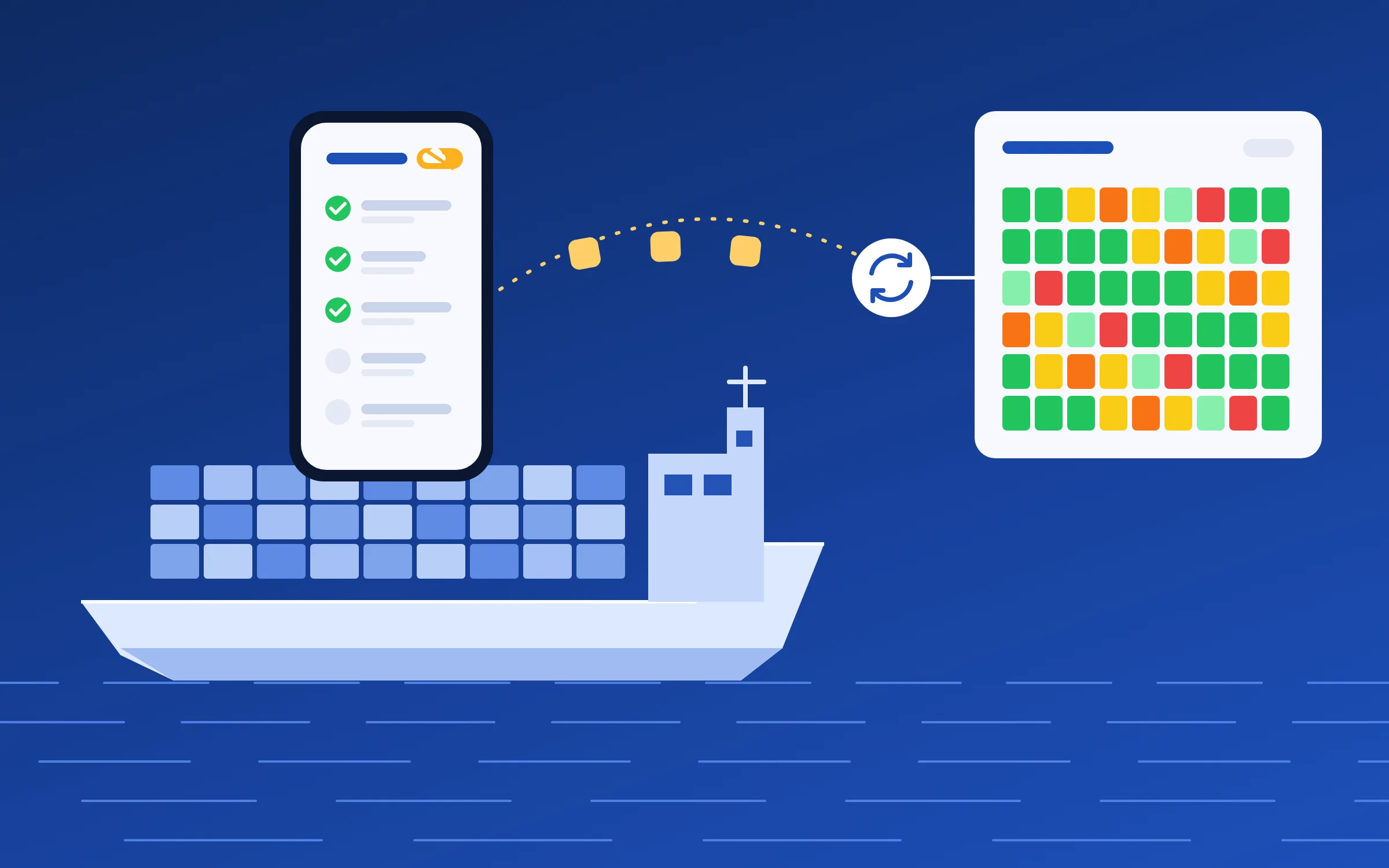
Operational software has to survive real conditions. As Scoutbase’s fractional CTO, I led their offline-first safety app for frontline crews. It now supports 4,000+ maritime workers, with production use at operators including DFDS and Shell.
“Kuan’s expertise paved the way for our growth and enabled us to acquire the trust of external investors and, as a consequence of that, additional funding.”
The same standard carried through enterprise work at AuditBoard, an audit, compliance and risk platform, and through shared interface foundations for Kazakhstan’s national e-government services.
Is this right for you?
It works best when:
- The workflow already happens again and again.
- You can name the people involved and roughly what each of them does.
- The mess costs you real time, errors or customer trust.
- A decision-maker can give it 1 to 2 hours a week, with the people doing the work joining when needed.
It isn’t the right fit if the process changes completely every time, if you want a few disconnected automation scripts, or if you expect a full ERP replacement as the first step.
What happens next
Tell us about the workflow: what starts it, who touches it, and where it breaks. It begins with two quick questions, and then you can book a fit call or keep writing.